History of Dirty Soda: What Is Dirty Soda and How It Became a National Trend
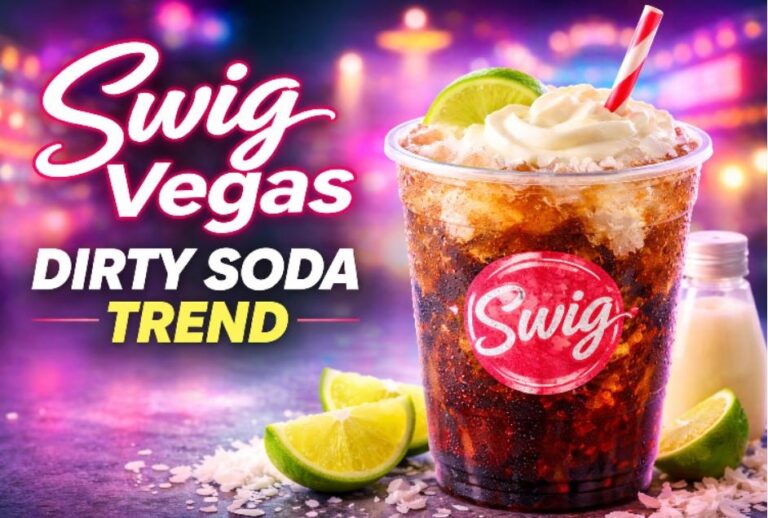
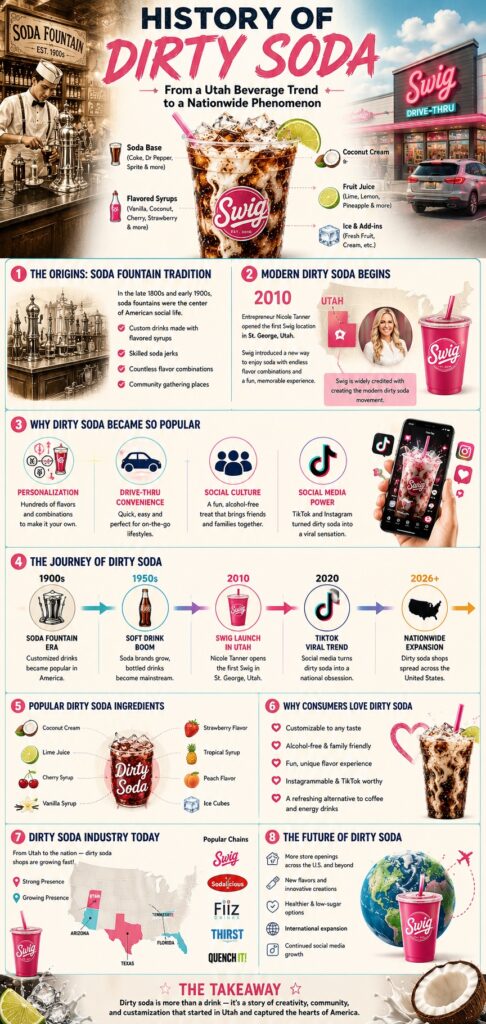
Dirty soda is one of the most fascinating beverage trends to emerge from the United States in recent years. At its core, a dirty soda is a customized soft drink made by mixing soda with flavored syrups, cream, fruit juice, coconut cream, or other add-ins. The result is a drink that feels more like a dessert-style beverage than a traditional soda.
What makes dirty soda unique is personalization. Instead of ordering a standard drink, customers can create endless flavor combinations using popular soda bases such as Diet Coke, Dr Pepper, Sprite, Mountain Dew, and sparkling waters.
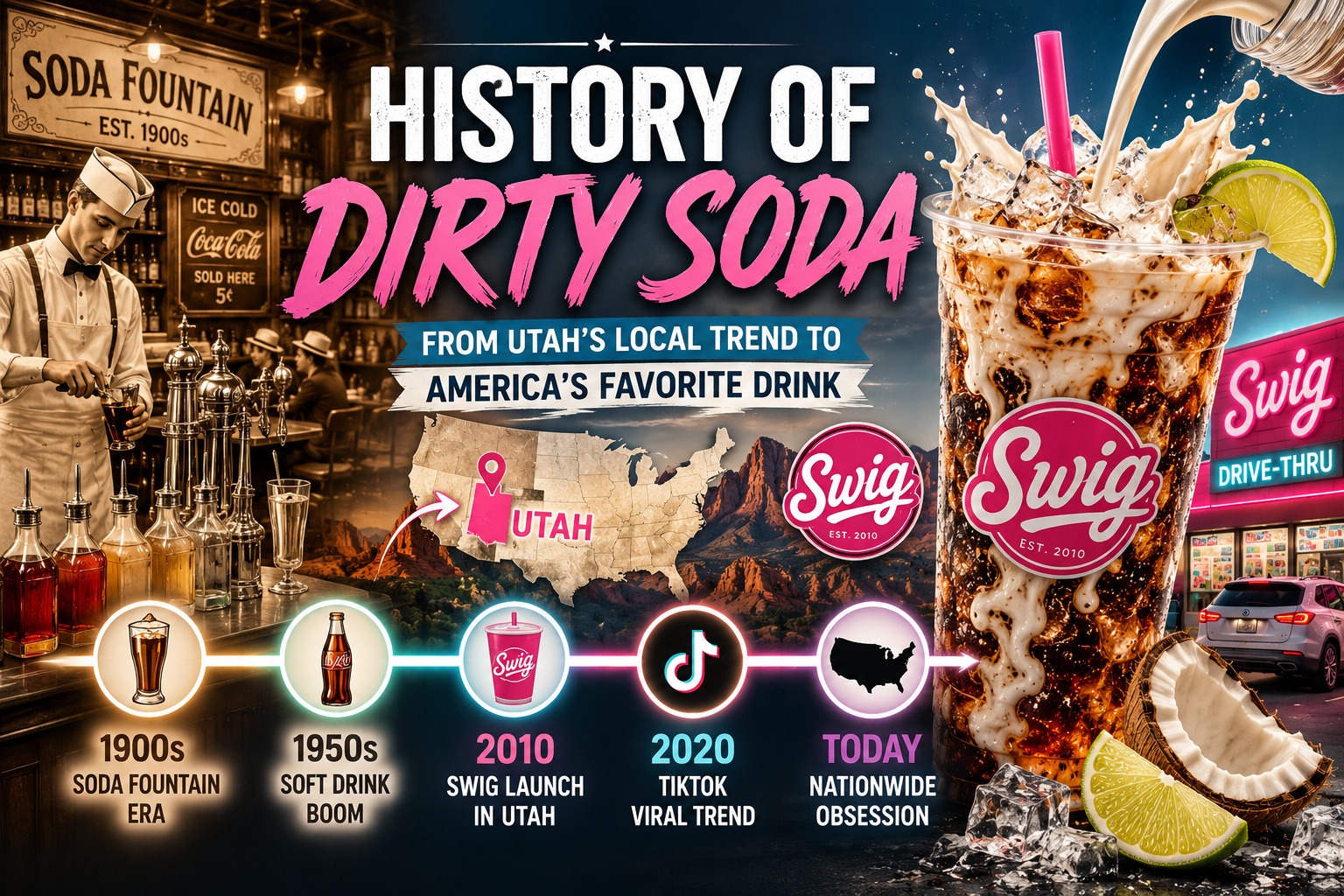
The modern dirty soda trend began in Utah and was popularized by Nicole Tanner, founder of Swig, in 2010. Since then, dirty soda has evolved from a regional curiosity into a nationwide beverage phenomenon driven by social media, customization culture, and consumer demand for unique drink experiences.
Explore The Swig Menu With Prices 2026
What Is Dirty Soda?
Dirty soda is a customized soft drink created by adding flavored syrups, cream, fruit juice, coconut cream, or fresh fruit to a soda base. Popular combinations often include:
- Diet Coke + coconut syrup + lime + coconut cream
- Dr Pepper + vanilla + cherry + cream
- Sprite + strawberry syrup + lemonade
The word “dirty” refers to the addition of ingredients that change the appearance and flavor of the original soda. Similar naming conventions exist in drinks like dirty martinis and dirty chai lattes.
The Early Roots of Customized Soda Drinks
The Era of Soda Fountains
Although dirty soda feels like a modern invention, its roots stretch back to the late 19th and early 20th centuries. During this period, American soda fountains served as social gathering places where skilled soda jerks mixed carbonated water with flavored syrups to create personalized beverages.
Customers could customize drinks with:
- Fruit syrups
- Vanilla extracts
- Cream
- Flavored concentrates
In many ways, these early soda fountain creations were the original dirty sodas. The idea of modifying a base drink is not new; what changed was the branding, scale, and cultural significance attached to the practice.
America’s Love Affair with Soft Drinks
The United States has long maintained a deep connection with soft drinks. Brands like Coca-Cola and PepsiCo became cultural icons, making soda a familiar daily indulgence for generations.
As consumer preferences evolved, demand for customized experiences increased. Coffee chains showed that people were willing to pay premium prices for personalized beverages. Dirty soda shops applied the same concept to the soft drink industry, combining familiarity with innovation.
The Birth of Modern Dirty Soda
Swig and the Utah Connection
The modern dirty soda movement is widely traced to Utah. In 2010, entrepreneur Nicole Tanner opened the first Swig location in St. George, Utah.
Initially, Swig offered standard soft drinks, but the addition of flavored syrups, creams, and unique combinations quickly set it apart from traditional beverage retailers. Customers loved the drive-thru convenience, affordable prices, and endless customization options.
Swig’s success proved that consumers were eager for premium soda experiences similar to specialty coffee culture. The company rapidly expanded beyond Utah, helping establish dirty soda as a recognizable beverage category.
Nicole Tanner’s Role in Popularizing Dirty Soda
Nicole Tanner’s vision centered on creating an alternative social beverage experience. In many Utah communities, dirty soda shops became gathering places similar to coffeehouses in other regions.
Her approach combined:
- Customization
- Community
- Convenience
- Creative branding
Swig eventually grew into a multi-state chain with well over 100 locations, demonstrating how a simple beverage concept could evolve into a major business movement.
Why Dirty Soda Became So Popular in Utah
Cultural and Social Influences
Utah’s unique cultural environment played a major role in Dirty Soda’s success. The state has a large population of members of The Church of Jesus Christ of Latter-day Saints, whose health guidelines traditionally discourage alcohol and coffee consumption.
As a result, alternative beverages became an important part of social life. Dirty soda shops offered a fun, customizable treat without alcohol, making them popular gathering spots for friends and families.
Alternative Beverage Culture
In many parts of Utah, specialty soda shops filled a role that coffeehouses often occupy elsewhere. Brightly colored drinks, creative names, and endless flavor combinations turned ordering a soda into an experience rather than a routine purchase.
This strong local support helped dirty soda businesses thrive and expand rapidly across the state.
The Rise of Soda Shop Chains
Expansion of Swig
As demand increased, Swig expanded aggressively beyond Utah. The company now operates locations across numerous states, including Texas, Tennessee, and Florida.
Its growth strategy focused on consistency, ensuring customers could expect the same experience at any location.
Competitors Enter the Market
Swig’s success inspired other dirty soda chains, including:
- Sodalicious
- Fiiz
- Thirst
- Quench It
These companies introduced their own signature drinks, seasonal flavors, and loyalty programs, helping establish dirty soda as a legitimate segment within the beverage industry.
| Chain | Known For | Origin |
| Swig | Original mainstream dirty soda concept | Utah |
| Sodalicious | Extensive flavor combinations | Utah |
| Fiiz | Large customization menu | Utah |
| Thirst | Premium soda creations | Utah |
| Quench It | Specialty beverage blends | Utah |
Social Media and the Dirty Soda Explosion
TikTok’s Impact
No discussion of dirty soda history is complete without mentioning TikTok. The platform played a massive role in transforming a regional trend into a national obsession.
Videos featuring:
- Colorful drinks
- Satisfying mixing processes
- Unique flavor combinations
- Drive-thru experiences
attracted millions of views and introduced dirty soda to audiences across the country.
Celebrity and Pop Culture Influence
Celebrity attention amplified the trend even further. Singer Olivia Rodrigo helped expose dirty soda to a broader audience after sharing content featuring a popular soda shop.
Reality television shows focused on Utah lifestyles also highlighted dirty soda culture, turning it into a national conversation topic rather than just a regional beverage trend.
Dirty Soda Goes Mainstream
National Restaurant Chains Join In
As dirty soda’s popularity grew, major restaurant chains recognized the opportunity to capitalize on consumer demand for customizable beverages. Several national brands introduced dirty soda-inspired menu items, bringing the concept to customers who had never visited a specialty soda shop.
This mainstream adoption marked an important milestone: dirty soda successfully crossed geographic boundaries and became a nationally recognized beverage category.
Retail Products Inspired by Dirty Soda
The influence of dirty soda has expanded beyond restaurants. Beverage companies now offer:
- Flavored syrups
- Creamers
- Packaged dirty soda-inspired drinks
- At-home customization kits
This retail expansion demonstrates that dirty soda is more than a short-term fad; it reflects a broader consumer interest in personalized beverage experiences.
Health Debates and Consumer Trends
Nutrition Concerns
Dirty soda’s popularity has also sparked health discussions. Many recipes contain significant amounts of sugar and calories, and some nutrition experts compare certain combinations to desserts in terms of sugar content.
Critics worry that frequent consumption may contribute to long-term health challenges, while supporters argue that dirty sodas are best enjoyed as occasional treats.
Low-Sugar and Custom Options
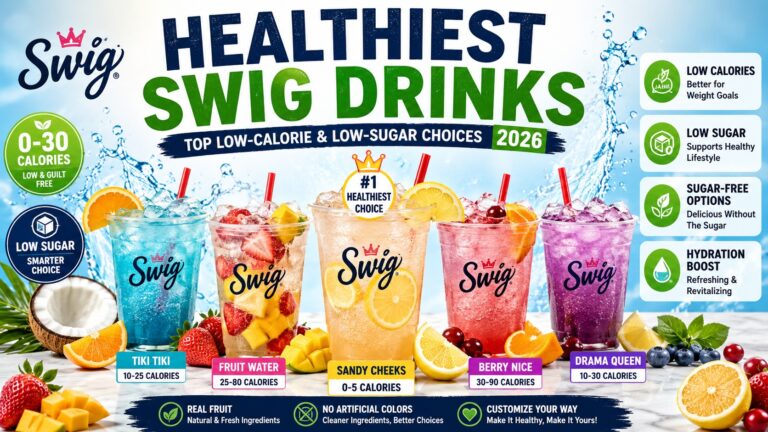
In response, many soda shops now offer:
- Sugar-free syrups
- Diet soda bases
- Sparkling water alternatives
- Lighter cream options
This flexibility allows consumers to enjoy the dirty soda experience while tailoring drinks to their dietary preferences.
Why Dirty Soda Matters in Modern Beverage Culture
Dirty soda’s success reflects several major consumer trends:
- Personalization – Consumers increasingly want products that reflect their individual tastes.
- Experiential Food Culture – People value unique, shareable food and drink experiences.
- Alcohol-Free Socializing – Dirty soda provides a fun alternative for social gatherings without alcohol.
- Social Media Appeal – Visually striking drinks are highly shareable on platforms like TikTok and Instagram.
- Drive-Thru Convenience – Fast, customizable beverages fit modern lifestyles focused on convenience.
These factors help explain why dirty soda has remained popular and continues expanding across the United States.
The Future of Dirty Soda
The future of dirty soda appears bright. New store openings continue nationwide, major brands are developing dirty soda-inspired products, and international interest is beginning to emerge.
As consumers continue seeking customized, alcohol-free, and experience-driven beverages, dirty soda is well-positioned to remain a significant part of modern beverage culture.
Conclusion
The history of dirty soda is a story of creativity, entrepreneurship, and cultural influence. Its roots trace back to America’s soda fountain tradition, but its modern identity was shaped in Utah through the vision of Nicole Tanner and the growth of Swig.
What started as a localized beverage innovation evolved into a nationwide trend fueled by social media, celebrity attention, and consumer demand for personalization. Dirty soda succeeded because it transformed ordinary soft drinks into customized experiences, creating an entirely new segment within the beverage industry.
Today, dirty soda stands as one of the most interesting beverage success stories of the 21st century.
Frequently Asked Questions
1. Who invented dirty soda?
Modern dirty soda is widely credited to Nicole Tanner, who launched Swig in St. George, Utah, in 2010 and helped popularize the concept nationwide.
2. Why is dirty soda associated with Utah?
Utah’s unique social and beverage culture helped dirty soda flourish. Specialty soda shops became popular gathering places and alternatives to other beverage-centered social venues.
3. What ingredients are commonly found in dirty soda?
Most dirty sodas contain a soda base combined with flavored syrups, cream, fruit juice, coconut cream, or fresh fruit additions.
4. Is dirty soda still growing in popularity?
Yes. New locations continue opening across the United States, and major restaurant brands are introducing their own dirty soda-inspired products.
5. Are there healthier dirty soda options?
Many shops now offer diet sodas, sugar-free syrups, sparkling water bases, and lower-calorie customization options for health-conscious consumers.
6. What is the most popular dirty soda flavor?
One of the most popular combinations is Diet Coke with coconut syrup, lime, and coconut cream, often associated with the original dirty soda trend popularized by Swig.
7. Why did dirty soda become a TikTok trend?
Dirty soda became popular on TikTok because its colorful appearance, satisfying preparation process, and endless customization options make it highly engaging and shareable short-form video content.